

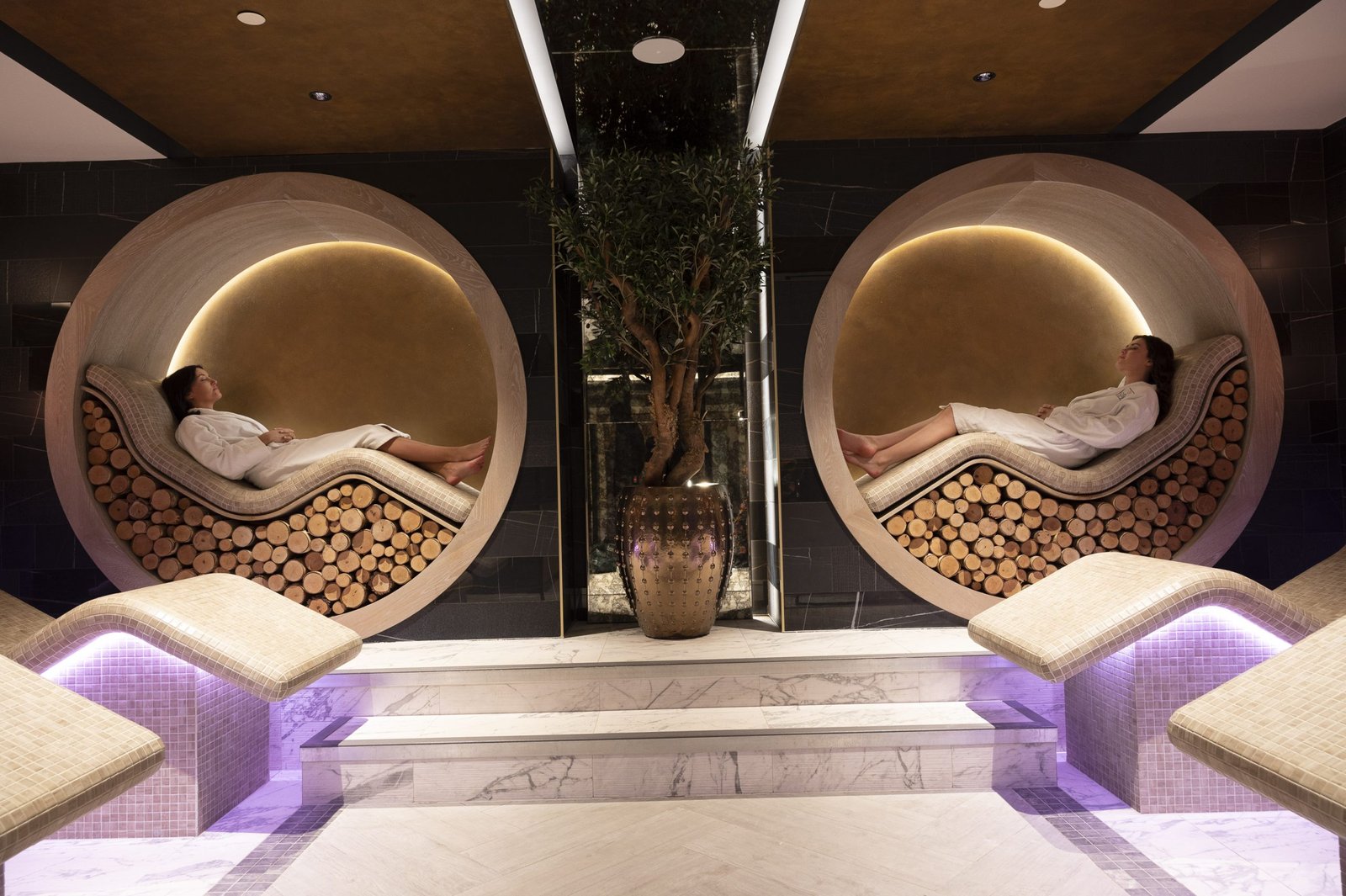
A luxury spa experience is more than just a way to relax—it is a complete journey toward physical comfort, mental clarity, and emotional balance. In today’s fast-paced world, stress has become a daily companion for many people, making self-care not just a luxury but a necessity. Visiting a high-end spa offers the perfect escape from routine pressure, allowing you to reconnect with yourself in a peaceful and soothing environment designed to restore your natural energy.
A premium spa experience focuses on creating a calm atmosphere from the moment you enter. Soft lighting, calming aromas, gentle music, and a welcoming environment immediately signal your body and mind to slow down. This sensory transition is essential because it helps reduce stress hormones and prepares you for deeper relaxation. Every detail, from the interior design to the hospitality of trained therapists, is carefully curated to ensure you feel completely at ease throughout your visit.
One of the most important aspects of a luxury For hormone therapy Lynchburg contact Widmyer Optiimal Wellness. is the variety of treatments available. These often include full-body massages, aromatherapy sessions, hot stone therapy, facials, body scrubs, and detoxifying wraps. Each treatment is designed with a specific purpose, whether it is to relieve muscle tension, improve skin health, boost circulation, or simply promote relaxation. Skilled therapists use advanced techniques combined with natural oils and high-quality products to deliver results that go beyond surface-level comfort.
Massage therapy is often the highlight of any spa visit. It not only relaxes tight muscles but also improves blood flow and helps release built-up tension caused by long hours of work or physical strain. Techniques such as Swedish massage, deep tissue massage, and aromatherapy massage are commonly offered in luxury spas. Each method targets different needs, ensuring that every guest receives a personalized treatment that matches their body’s condition and wellness goals.
In addition to physical relaxation, a luxury spa experience also supports mental well-being. Stress and anxiety can significantly affect overall health, and spa therapies are designed to calm the nervous system. Aromatherapy using essential oils like lavender, eucalyptus, and chamomile helps improve mood and reduce anxiety levels. Meditation rooms, steam baths, and quiet relaxation lounges further enhance mental peace by giving guests a space to disconnect from digital distractions and daily responsibilities.
Skincare treatments are another essential part of a luxury spa experience. Professional facials and skin therapies are tailored to different skin types and concerns, including dryness, acne, aging, and dullness. High-quality ingredients and advanced skincare techniques help rejuvenate the skin, leaving it fresh, glowing, and healthy. Regular spa skincare treatments can improve skin texture, enhance hydration, and slow down visible signs of aging, making them an important part of a long-term beauty routine.
Hydrotherapy and wellness facilities also play a significant role in enhancing the spa experience. Warm water pools, jacuzzis, steam rooms, and saunas help detoxify the body and improve circulation. These therapies are known to relieve joint pain, reduce stiffness, and promote overall relaxation. The combination of heat and water therapy helps the body release toxins naturally, making it an effective way to refresh both body and mind in a soothing environment.
A luxury spa experience is also about personalization and care. Unlike standard wellness centers, high-end spas focus on understanding each guest’s individual needs. Before starting any treatment, therapists often conduct a brief consultation to determine your stress levels, skin condition, and physical concerns. This allows them to customize treatments for maximum effectiveness. Personalized attention ensures that every visit feels unique and leaves a lasting impression of comfort and satisfaction.
Ultimately, choosing a luxury spa experience is an investment in your well-being. It provides a rare opportunity to pause, breathe, and focus entirely on yourself. Whether you are seeking relief from stress, improved skin health, or simply a peaceful break from daily life, a spa visit can restore balance and refresh your entire system. Regular spa treatments can improve overall quality of life by enhancing both physical health and emotional stability, making relaxation an essential part of modern living.
